






 Call us On
The Hidden Cost of Getting Fire Doors Wrong on Site
April 23, 2026Fire doors are rarely the most exciting part of a build. They don’t win awards, they don’t sell properties and they don’t usually attract attention unless something goes wrong. But when they do go wrong, the cost is rarely small and rarely isolated.
Across residential, mixed-use and commercial projects, fire door issues continue to be one of the most common causes of failed inspections, delayed completions and expensive remedial work. And while manufacturers are producing increasingly robust, well-tested products, the reality on site tells a more complicated story.
As Matt Shaw, Technical Director here at Express Doors Direct, explains: “We see it time and time again, the problem is rarely the door itself. More often, it’s what happens before, during and after installation that determines whether a fire door performs as it should or becomes a liability later down the line.”
Fire Doors Don’t Fail in Factories. They Fail in Real Buildings.
One of the most persistent misconceptions in construction is that a fire door’s performance is guaranteed by its certification alone. In reality, an FD30 fire door only delivers its tested 30-minute resistance when the entire door set performs as a system.
That system includes:
- The fire-rated door leaf
- A compatible fire-rated frame
- Correct intumescent and smoke seals
- Certified hinges, latches, closers and ironmongery
- Correct installation tolerances and gaps
This leads to one of the most important but frequently misunderstood questions on site…
What actually makes a fire door fire-rated?
It isn’t just the door leaf. A fire door is only fire-rated when all components match the tested specification and are installed within the certified tolerances.
If any part of that chain is broken, whether through substitution, modification or poor workmanship, the certification no longer applies. From a compliance perspective, the door may as well be a standard internal door.
The Real Costs Hiding Behind Non-Compliance
When fire doors are incorrectly specified or installed, the immediate concern is safety. But for construction professionals, the knock-on effects are often commercial and operational.
Failed Inspections and Sign-off Delays
Building control and fire officers are paying closer attention than ever to passive fire protection. Incorrect gaps, missing seals or non-certified ironmongery are quick wins for inspectors and costly setbacks for projects nearing completion.
This raises a practical question many contractors ask late in the programme…
Why do fire doors fail inspections so often?
Because most failures relate to installation detail rather than product quality, things like gap tolerances, seal continuity and incompatible hardware are easy to spot and hard to justify.
Remedial Works and Reinstallation
Once a fire door installation has been flagged, the fix is rarely simple. Doors may need to be removed, re-hung, re-sealed or replaced entirely. In some cases, adjacent finishes are disturbed, creating a cascade of additional work.
Programme Disruption
Fire doors sit on critical paths. Delays here can prevent handover, delay occupation, and trigger contractual penalties. What starts as a “small snag” often grows into a programme-wide headache.
Reputational Risk
For developers, contractors and installers, repeated compliance issues can damage relationships with clients, building control and insurers. Fire doors are not an area where reputations recover easily.
The Installation Details That Quietly Undermine Fire Performance
Gaps: small numbers, big consequences
Fire doors rely on precisely controlled gaps to activate intumescent seals correctly. Typically, this means consistent clearances around the leaf, usually 2-4 mm at the sides and head, with carefully defined thresholds at the base.
Can fire doors be trimmed to fit on site?
Yes, but only within the manufacturer’s stated trimming allowances. Over-trimming compromises the door’s construction and invalidates certification.
Excessive gaps or uneven clearances prevent seals from expanding effectively during a fire, allowing smoke and heat to pass far earlier than intended. If a standard size fire door is likely to cause problems or the excess you need to trim falls outside of those allowance, consider made-to-measure fire doors. Not only will this eliminate seal problems but it’ll save time on site too as there should be little need for trimming.
Ironmongery Substitutions
Changing hinges, latches or closers to “something similar” is one of the fastest ways to void a fire door’s tested performance. Fire doors are tested with specific hardware configurations and even minor substitutions can alter how the door behaves under heat.
Does fire-rated ironmongery really matter?
Absolutely. Fire-rated hardware is designed to maintain structural integrity under extreme temperatures. Standard hardware can fail early, causing the door to deform or disengage from the frame.
On-site Modifications
Cutting apertures for glazing, letterplates, or ventilation after manufacture is a common but critical error. Fire doors are tested as complete assemblies, altering them on site removes any assurance of performance.
So what can you do?
Most fire door failures are avoidable. The key is treating the door as a complete, certified system, not just another joinery item. Use this checklist to keep installations compliant and inspections stress-free.
- Confirm the full door set: Ensure the door leaf, frame, seals and ironmongery are all certified to work together. Mixing components without approval risks invalidating the fire rating.
- Check sizes and trimming limits first: Fire doors can only be trimmed within manufacturer-specified allowances. Never cut to fit without confirming limits.
- Control gaps consistently: Maintain even, compliant clearances around the leaf. Excessive or uneven gaps can prevent intumescent seals from activating properly.
- Use fire-rated ironmongery only: Fit only certified hinges, latches, locks and closers, installed in the correct quantity and positions.
- Fit seals properly: Install the correct intumescent and smoke seals, continuous and undamaged. Never paint over or remove them.
- Avoid on-site modifications: Do not cut apertures or alter factory-prepared fire doors. If changes are needed, the door is likely incorrect for the application.
- Keep documentation accessible: Retain certification and installation guidance on site for inspection and handover.
- Inspect before sign-off: Check gaps, seals and hardware before decoration and again prior to completion.
As Matt says: “Fire doors perform exactly as they’re installed. A clear process and attention to detail are what turn a compliant product into real fire protection.”
Why Earlier Specification Saves Money Later
One of the most effective ways to reduce fire door issues is to bring them into the conversation earlier. Fire doors are often treated as a late-stage compliance item rather than an integral part of the building’s fire strategy.
This prompts a bigger, strategic question…
When should fire doors be specified in a project?
Ideally, at design stage. Early specification ensures correct door sizes, compatible frames, appropriate ironmongery and finish coordinate across the whole project.
For many manufacturers, fire-rated versions are often available across the same design families as standard internal doors. This allows specifiers to maintain connection and consistency while meeting regulatory requirements, without last-minute compromises.
As Matt explains: “The biggest issues we see with fire doors aren’t product failures, they’re process failures. When fire doors are treated as an afterthought, problems multiply. Early specification allows the right doors, frames and components to be brought together properly, which saves time, money and stress later on.”

Designing A Fire Safe Property Without Sacrifices
Another persistent myth is that fire doors always look industrial or out of place. Modern fire door manufacturing has moved far beyond that.
Do fire doors have to look different from standard doors?
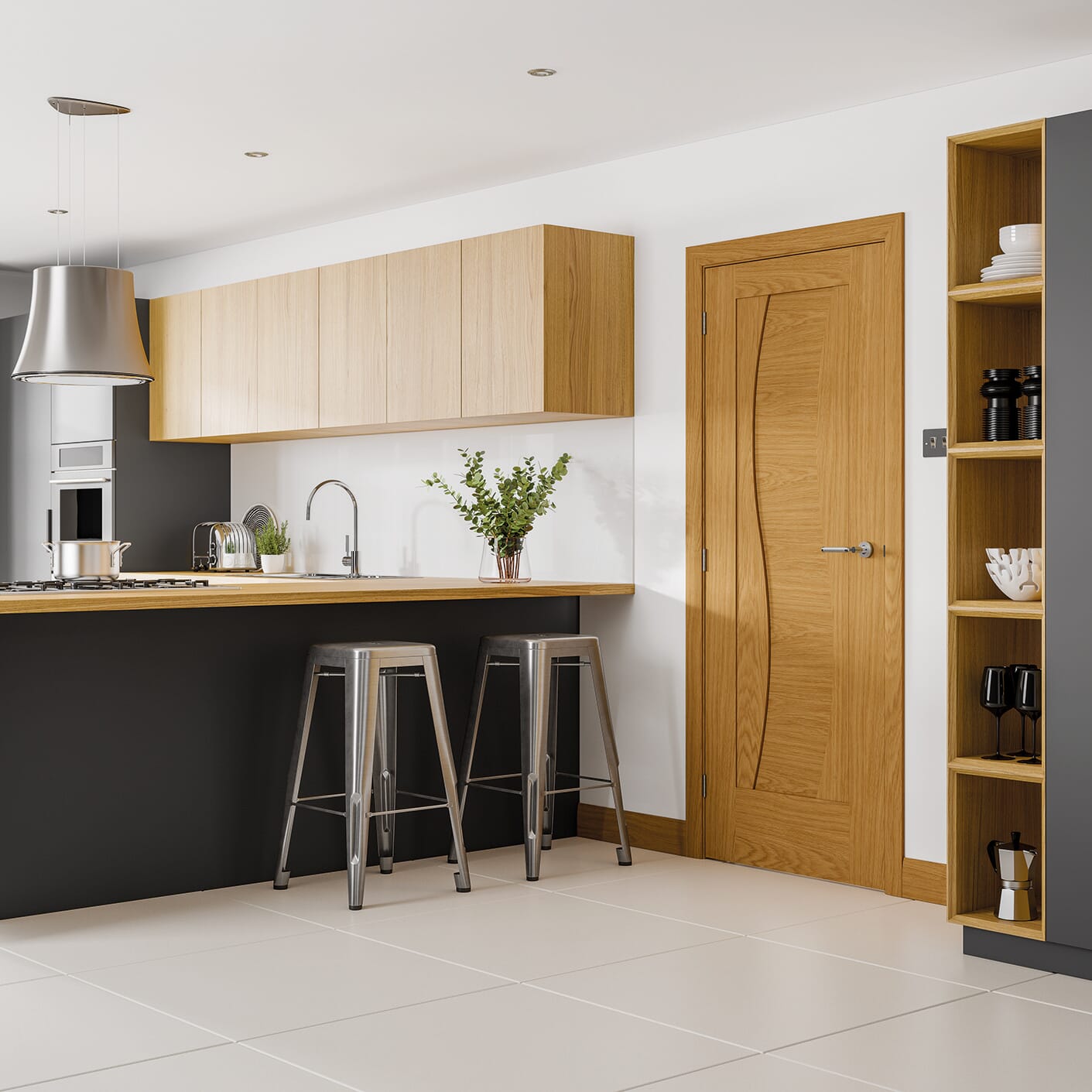
No. When specified correctly, fire doors can match non-fire doors closely, maintaining design consistency while still delivering certified protection.
Many suppliers like Express Doors Direct, offer fire door ranges that are designed to mirror standard internal collections, with options such:
- FD30 and FD60 fire doors: in contemporary and classic styles
- Prefinished fire doors: reducing on-site finishing time
- Decorative Glazed fire doors: using certified fire-rated glass
- Coordinated door sets: simplifying compliance
Fire Doors as Part of a Wider Safety Culture
Fire doors are one of the most visible elements of passive fire protection, which makes them a useful indicator of overall build quality. Projects where fire doors are well specified and correctly installed tend to show the same discipline across compartmentation, detailing and compliance generally.
On the flip side of that, repeated fire door issues often point to deeper problems in coordination, communication and site practice.
Matt puts it simply: “Fire doors only work when the whole system works. The door, the frame, the hardware and the installation all matter equally. Getting that right isn’t about ticking a box, it’s about professional standards.”
Prevention is Cheaper Than Correction
The hidden cost of getting fire doors wrong is rarely just financial. It’s measured in lost time, strained relationships, delayed handovers and unnecessary risk.
By treating fire doors as a system, specifying them early and installing them with the care their role demands, construction professionals can avoid many of the failures still seen across UK sites.
Fire doors may be quiet, unglamorous components, but when they’re done right they’re one of the strongest signals that a building has been built with care.