




 Call us On
Choosing the Right Doors for Your Conservatory, Orangery or Garden Room: A Practical Guide
July 10, 2025There’s something special about stepping into a light-filled conservatory, a peaceful orangery or a purpose-built garden room. These spaces blur the lines between indoors and out, offering sanctuary, connection to nature, or simply a little extra breathing room. Yet one detail can make or break their comfort and functionality: the right doors.
Choosing the best door for these in-between spaces isn’t just about looks. It’s about warmth, access, light, privacy and even how you move through your home. Whether you’re transforming an existing extension or planning something new, knowing your options puts the power firmly in your hands.
Let’s walk through the types of conservatory, orangery and garden room doors available, what to consider between internal and external spaces, and address common questions we hear from homeowners and professionals alike.
What Are the Different Types of Conservatory Doors?
Before anything else, it’s worth exploring the main door styles used in conservatories, orangeries and garden rooms.
French Doors
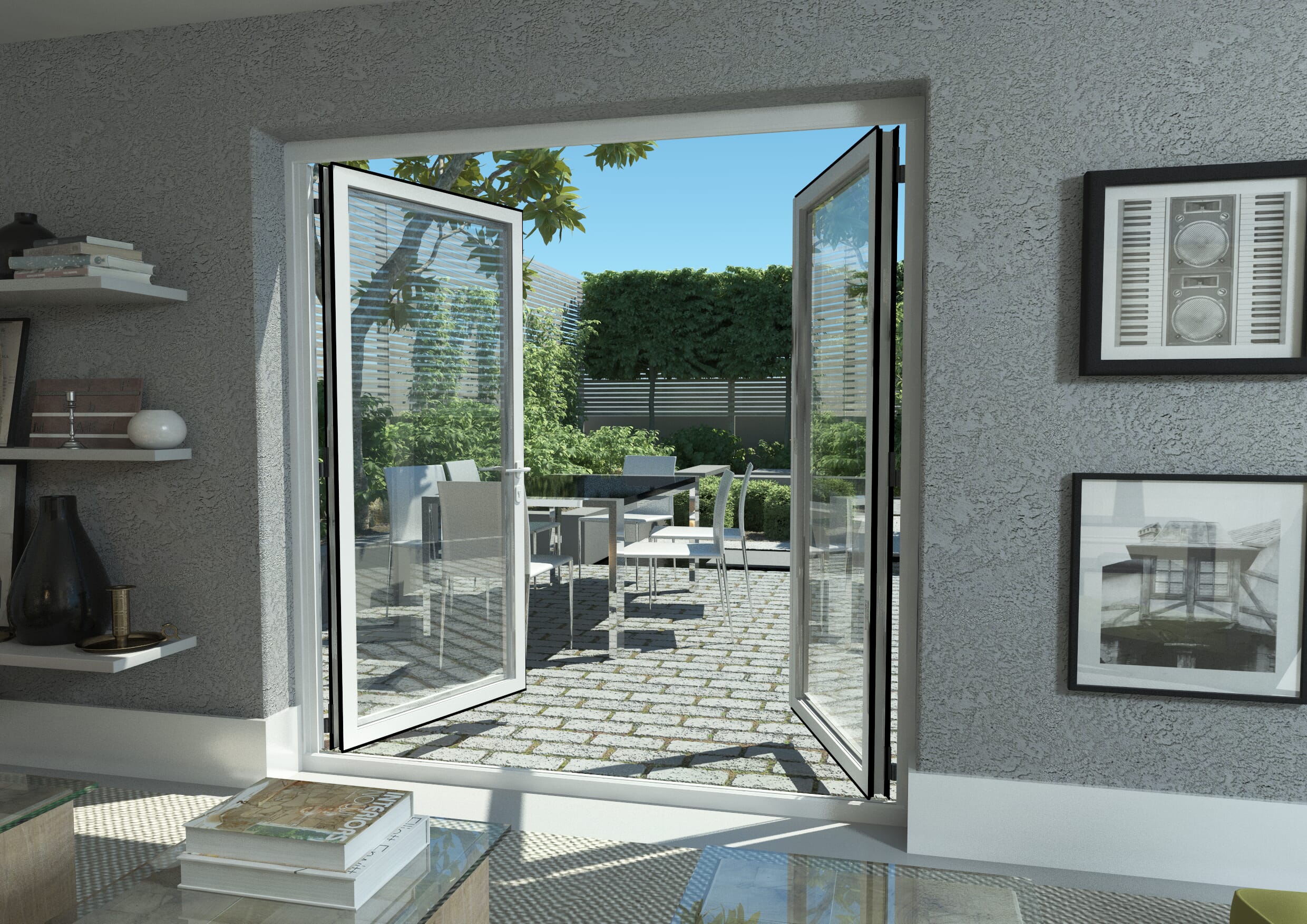
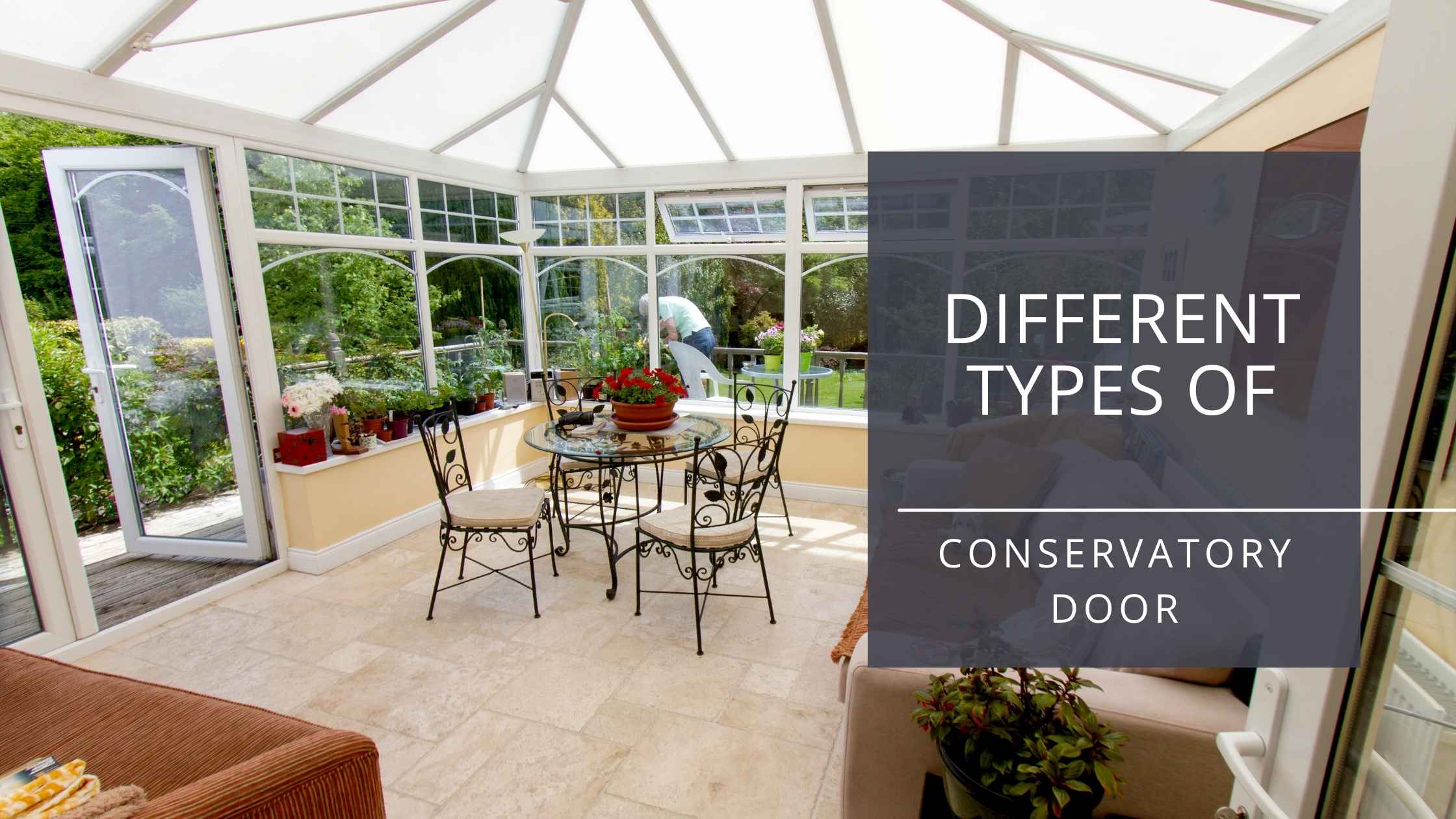
Timeless and traditional, French doors suit period homes as well as newer builds. With symmetrical glass panes and a double-door opening, they offer a grand entrance and plenty of natural light. French doors typically open outwards and work well where space permits outside clearance.
Both interior and exterior french doors might be used for a conservatory depending on whether you’re connecting to the house or the garden. You can also get uPVC, aluminium and timber french doors to suit your home and conservatory.
Sliding Patio Doors
Practical and popular, sliding doors provide wide openings without intruding into garden or living areas. Thanks to smooth gliding mechanisms, they’re ideal where space is tight, such as small patios or narrow decks, but still call for uninterrupted views.
Bifold Doors
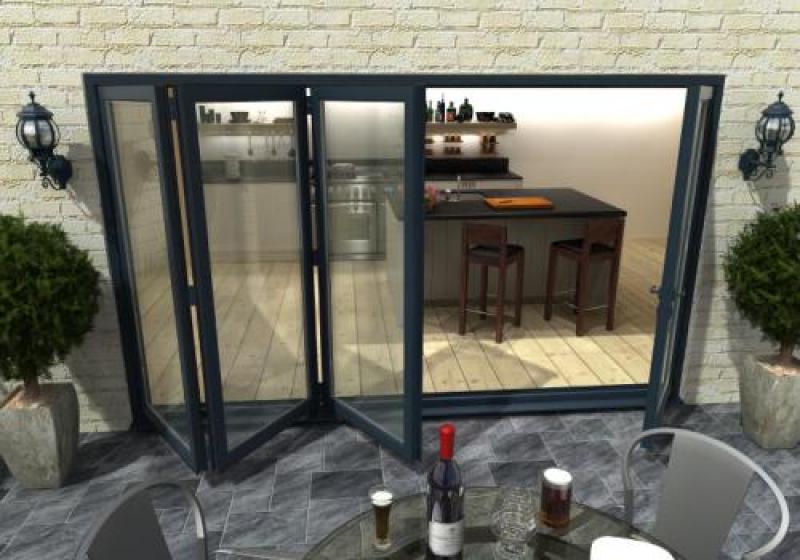
For those who want maximum access to the outdoors, bifold doors feature large glass panels that fold neatly to one side, creating a wide opening between interior and garden. They’re fantastic for garden rooms and modern orangeries where you want to blur the boundary between home and outdoor space.
Single Glazed Door or Back Door Styles
A more understated option, these are commonly used when budget or available space is limited. They work particularly well for connecting small garden offices or utility spaces.
Materials Matter: Aluminium, uPVC or Timber?
Choosing the right style is just one part of the puzzle. The material of your conservatory, orangery, or garden room doors affects everything from energy efficiency to maintenance and lifespan. Each comes with its own benefits, and it’s worth considering how they’ll perform over time.

uPVC: Practical and Budget-Friendly
uPVC remains a firm favourite for many homeowners. It’s affordable, low-maintenance, and highly insulating. This makes it a great choice for anyone wanting performance without breaking the bank.
- Ideal for: external bifold, French and sliding patio doors
- Maintenance: occasional wipe down with soapy water
- Look: clean and simple, available in a range of finishes (white is classic, but black and anthracite grey are increasingly popular)
Think of uPVC as the “everyday hero” of door materials. It’s reliable, straightforward, and very widely used in UK homes.
Aluminium: Sleek, Strong and Stylish
If you’re after a modern look with slimmer sightlines and a robust feel, aluminium doors might be the way to go. Aluminium is particularly well suited to large bifold and sliding systems, as it allows for wider panes of glass without bulky frames.
- Ideal for: contemporary extensions, large openings, homes with a modern edge
- Maintenance: virtually none, no rust, no warping
- Look: sharp, powder-coated finishes in clean whites, dark greys and blacks are most in-demand
Aluminium is the go-to choice for those wanting to bring as much light in as possible without compromising on structure or design flexibility.
Timber: Warm, Characterful and Best for Indoors
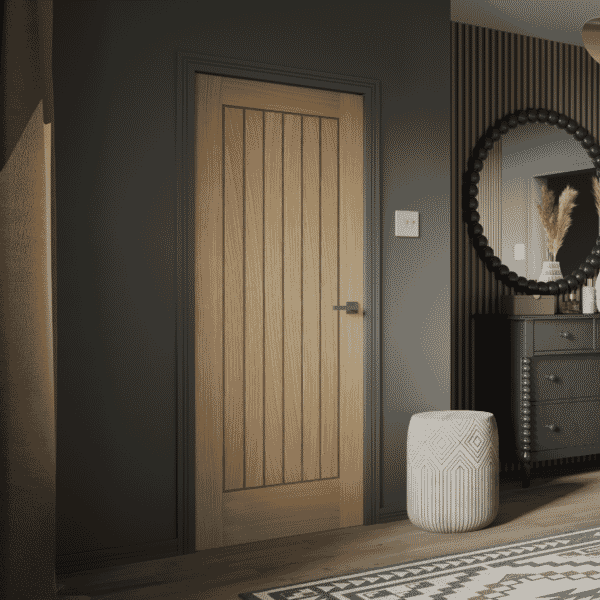
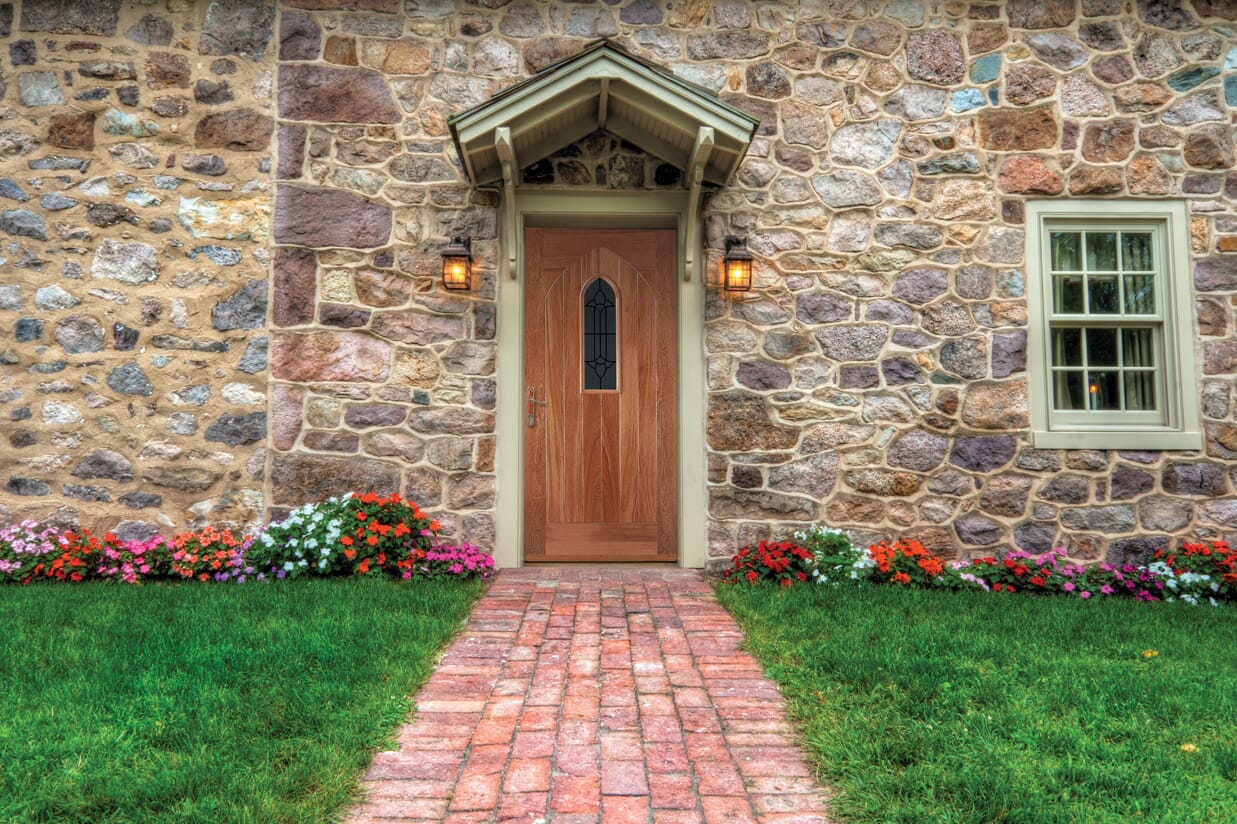
While timber doors bring charm and craftsmanship, they’re best reserved for interior settings in today’s market. That’s why, at Express Doors Direct, we offer timber in our internal French, bifold, and single door options only.
- Ideal for: room dividers, conservatory-to-kitchen transitions, orangeries with a traditional style
- Maintenance: needs more attention, wood benefits from occasional resealing or painting
- Look: authentic, textured and full of natural warmth
Timber doors are like a well-made piece of furniture: timeless, tactile and a real feature in any room. But for external use, modern materials are more suited to the British climate and energy regulations.
So, Which One Should You Choose?
Let’s simplify:
- For exterior openings (garden access): go with uPVC or aluminium.
- For internal connections (between house and orangery or conservatory): timber can be a standout choice.
Ultimately, your decision will depend on style, budget, performance and how much upkeep you’re comfortable with. The good news? Every option has a solid place in the right setting, and understanding these materials gives you confidence that you’re making the best choice for your home.
Should There Be a Door Between the Conservatory and House?
This is one of the most frequently asked questions, and the answer varies.

If your conservatory or orangery isn’t thermally insulated to the same standard as the rest of your home, Building Regulations often require a door between the two to maintain energy efficiency. Think of it like a buffer zone, it stops warmth escaping and cold creeping in during winter months.
For older conservatories especially, this internal separation is useful. It also means you can close off the space when not in use, keeping heating bills lower.
However, if your extension meets full building standards, including insulation, glazing and temperature control, you may be allowed to remove the internal dividing door. Always check with your local authority or a building inspector before making any changes. Ignoring this could impact your home’s value or compliance.
What Type of Door Between the House and Conservatory?
This decision often depends on:
- How much space you have between rooms
- How often the extension is used
- The overall style of your home
For regular use and maximum light, bifold or sliding patio doors are popular. They provide a modern connection between rooms and can easily be opened to merge spaces during gatherings.
If the room is used less frequently, or if insulation is a concern, French doors offer a more traditional, energy-conscious alternative.
Can I Replace a Conservatory Door?
Absolutely. Swapping out old or underperforming doors is not only possible, it’s often the easiest way to breathe new life into your conservatory or garden room. Older doors can become draughty, stiff or lose their fit. Modern alternatives, with better locking mechanisms and improved energy ratings, can make the room feel entirely different.
Whether you’re switching from external French doors to bifolds or simply upgrading materials, make sure any replacement meets current safety and energy standards. Look for argon filled glazed units and low U values that meet or exceed building regulations.
Is a Conservatory Door a Patio Door?
Not necessarily. While many conservatories use patio-style doors, like sliders or French doors, the term “conservatory door” can refer to any door that links the space to either your home or garden.
So, while your conservatory may have a patio-style door, not every conservatory door is technically a patio door. It’s a subtle distinction, but an important one when you’re shopping.
Can You Have Bifolds on a Conservatory?
Yes, and more homeowners are choosing them every year. Bifold doors create a dramatic effect and open up the entire width of a conservatory wall. They’re especially suited to modern glass extensions and orangeries.
Just keep in mind: bifold doors need enough space to slide and fold along a track. They also need more support, especially if they are large and glass-heavy. Ensure there’s clearance, and check that the frame and lintel above are properly reinforced.
How Much Do Replacement Conservatory Doors Cost?
Prices vary depending on size, style and material. Here’s a rough guide:
- uPVC French Doors: £600 – £2,000
- Sliding Patio Doors: £900 – £2,500
- Aluminium Bifold Doors: £1,900 – £6,000
- Wooden Doors: £100 – £1,500
These figures don’t include installation or major structural changes. Of course, bespoke sizes or premium finishes may increase the total. Still, many homeowners find the investment pays off quickly in comfort and energy savings.
Please note: these prices are intended as a guide only and were correct at the time of writing this post, but may be subject to change.
Internal Conservatory Door Ideas
Looking for internal separation without losing light? Consider:
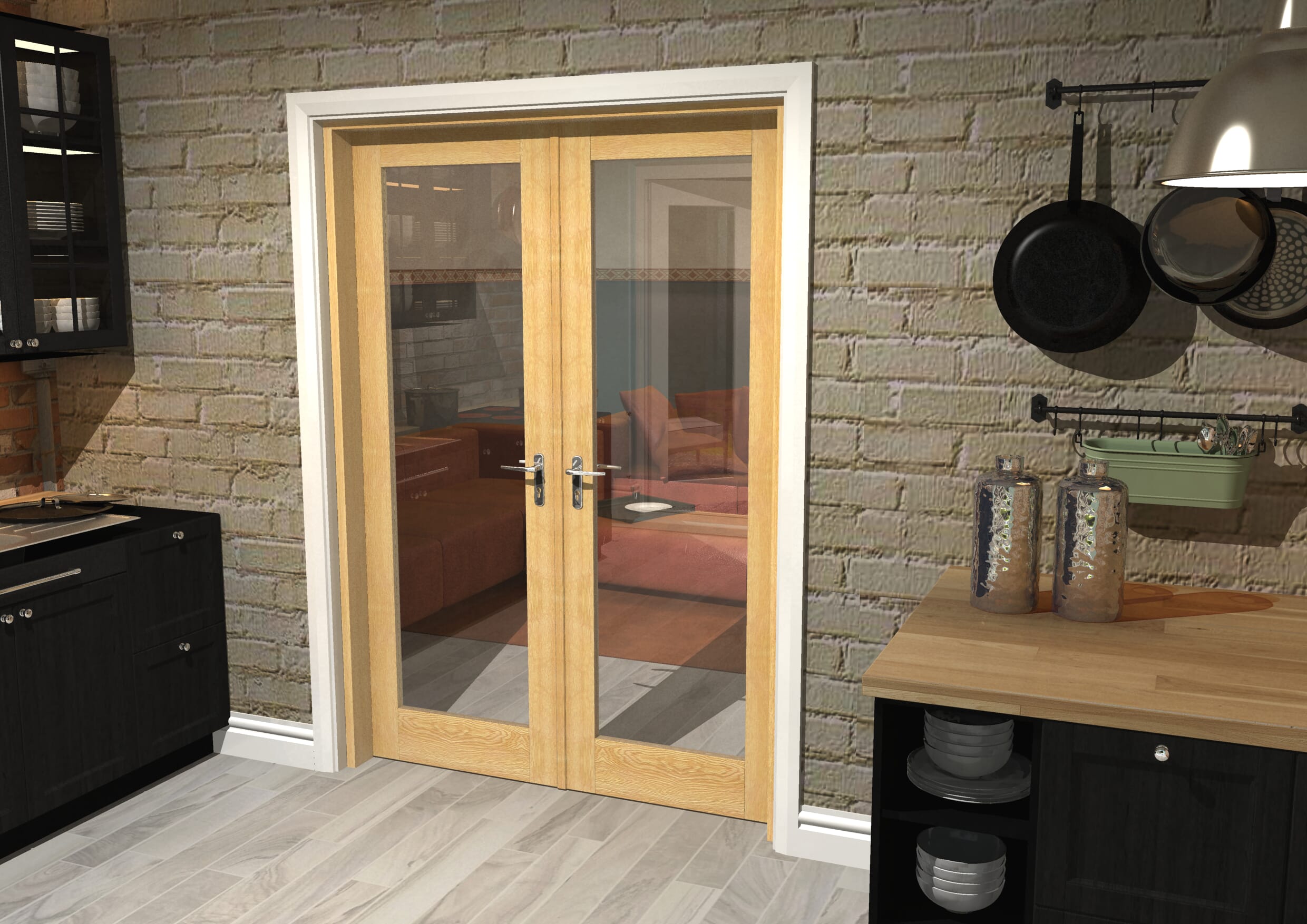
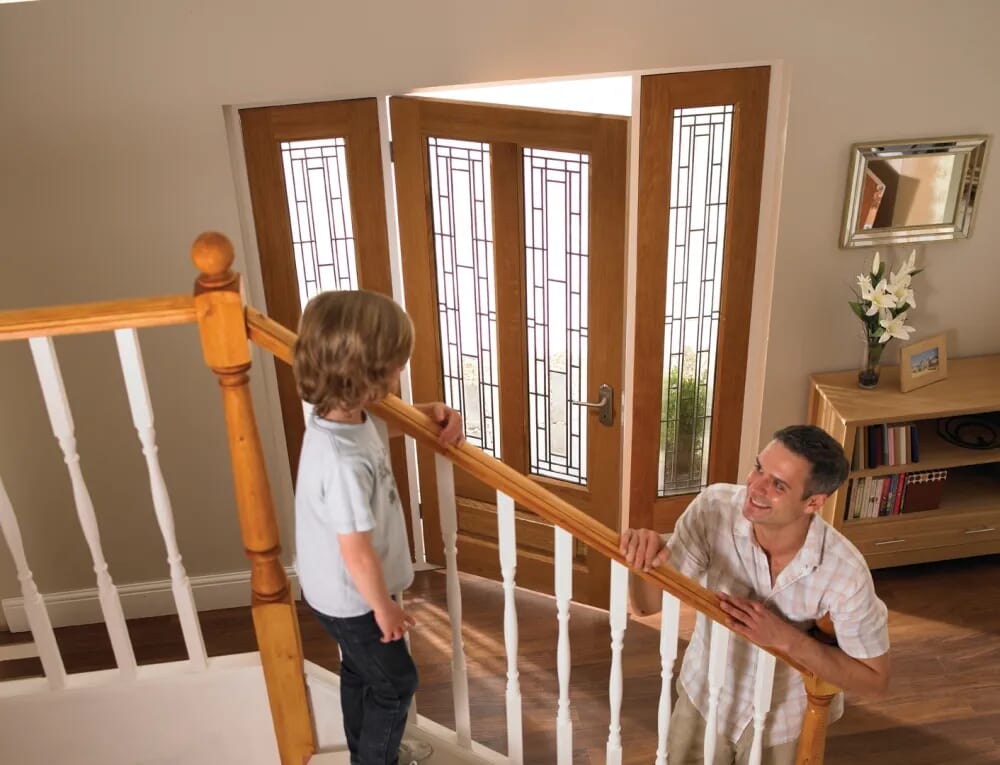
- Part-glazed oak doors – warmth with visibility
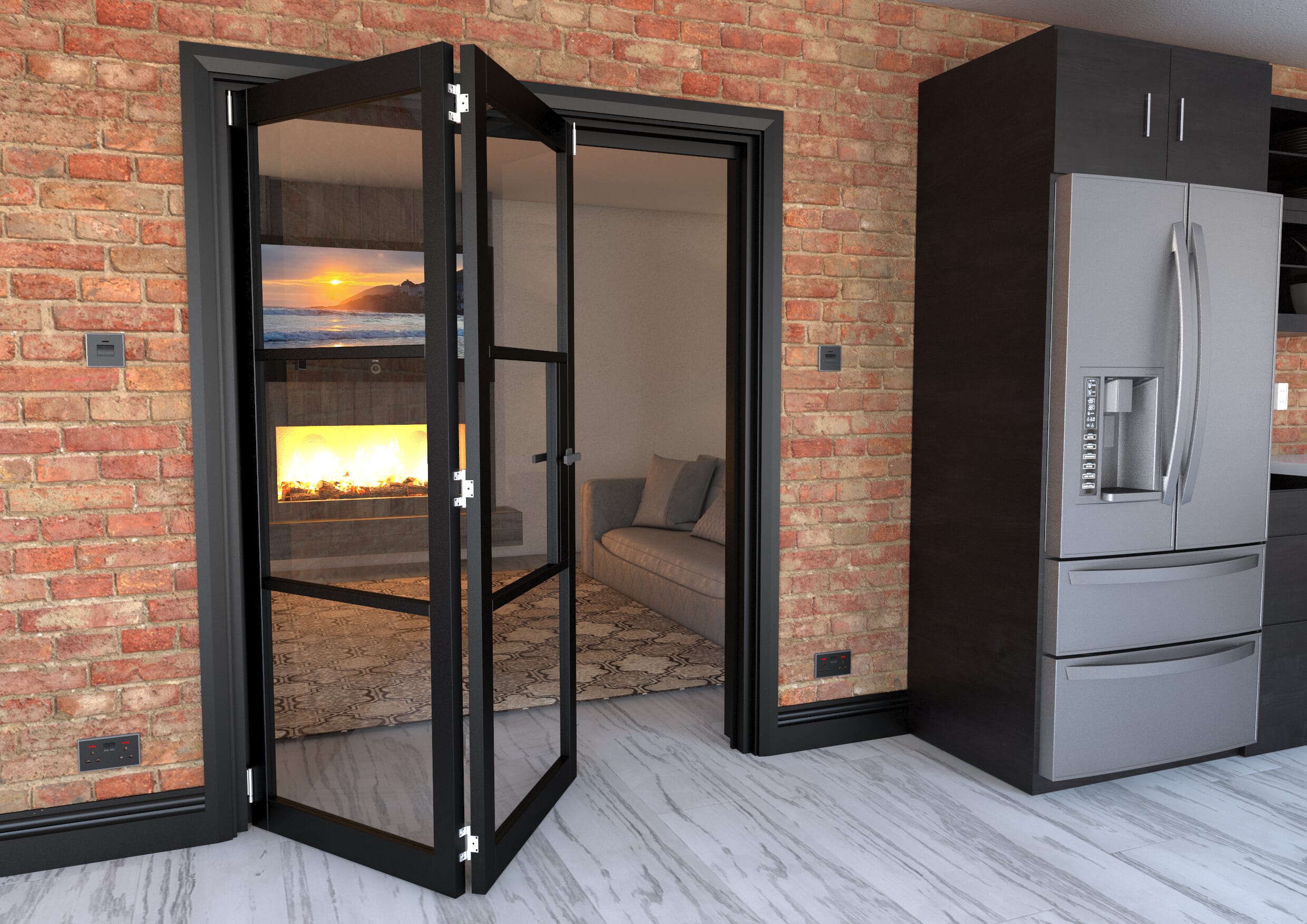
- Crittall-style glass doors – ideal for period or industrial designs
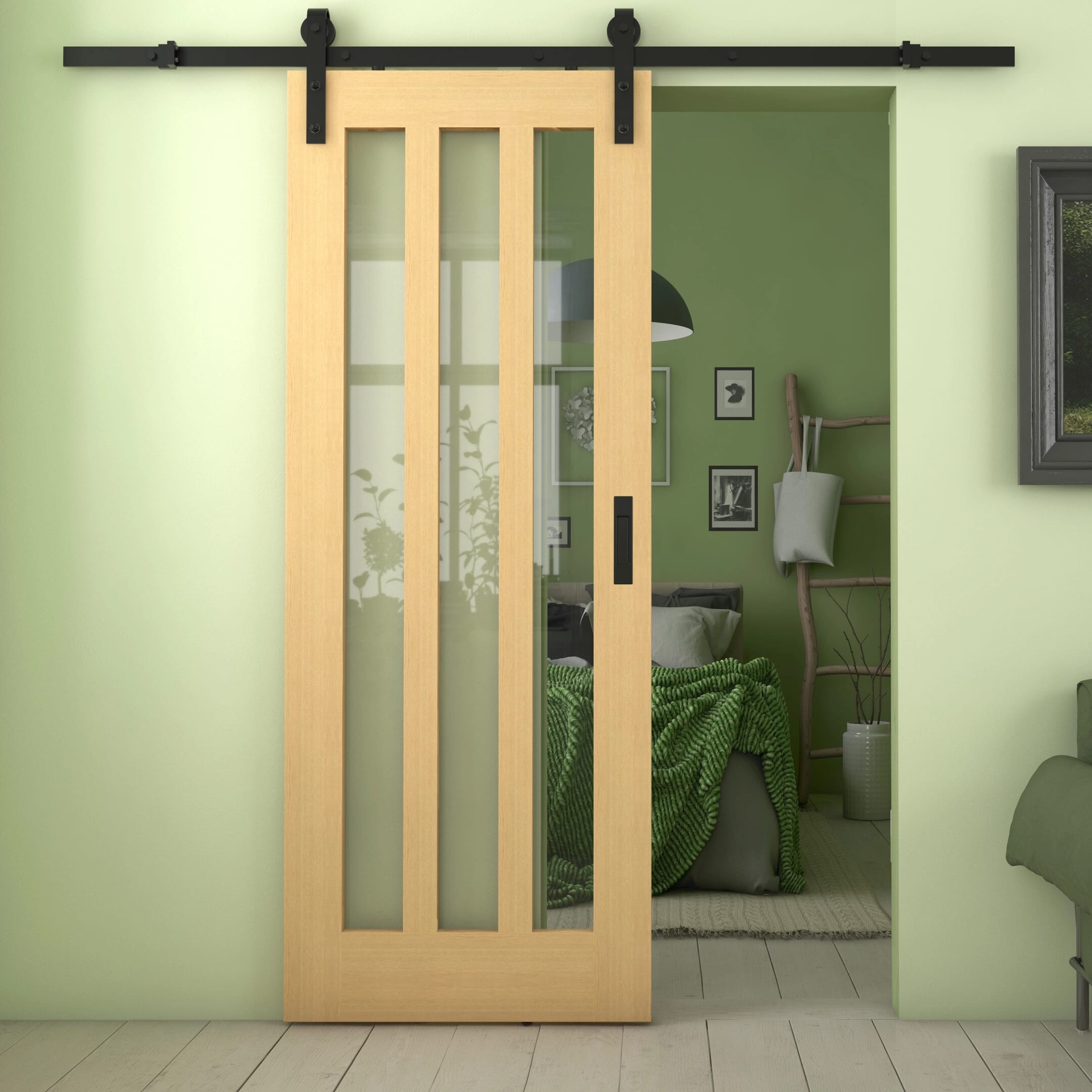
- Pocket sliding doors – perfect for tight spots
- Frosted glass – for added privacy between rooms
- Timber doors – in french or bifold styles
Whatever you choose, aim to balance transparency with function. That way, the door connects rather than divides.
How Do You Cover Conservatory Doors?
Sunlight is beautiful, until it causes glare or fades your furniture. Covering the large glass panes in your conservatory doors can be challenging. For door coverings, you might consider:
- Perfect-fit blinds that clip into the frame
- Vertical fabric panels for large doors like bifolds
- Shutters which add a touch of luxury
- Curtain poles with thermal linings, especially in traditional spaces
Always opt for easy-open solutions that let you adjust the light as needed.
Can I Remove Patio Doors Between the House and Conservatory?
In some cases, yes. If your conservatory has been upgraded or built to full building standards, you may be able to remove internal patio doors. Doing so can create a more open-plan living area, often making the home feel bigger and more fluid.
However, and this is crucial, you’ll need a professional opinion before doing this. Removing a door might affect:
- Structural support
- Thermal performance
- Building compliance
Always check with a builder or inspector, as work could require building regulations approval. What looks simple could carry serious consequences if done hastily.
Making the Right Choice: A Quick Analogy
Choosing the right door is a bit like choosing the right pair of shoes. A good fit makes life comfortable. The right style supports how you move. And something that matches your lifestyle makes every day feel a bit better.
You wouldn’t wear hiking boots to a wedding or loafers to a mountain trail. Likewise, you wouldn’t want bi folds in a narrow alleyway or a single uPVC door in a grand orangery. Your door should suit the structure around it, the people using it, and the purpose it serves.
Final Thoughts
Whether you’re connecting a conservatory to your kitchen, adding a door from your lounge into a garden room, or simply replacing something that’s seen better days, understanding the options gives you freedom.
You’re not just picking a door. You’re choosing how your home flows, how you live in it, and how it serves your needs.
If you’re still unsure what will work best, speak to our team at Express Doors Direct. We’re here to help, not just with supply and delivery, but with real advice based on years of experience helping people just like you.
Your home is an expression of how you live. Let’s get the doors right.